
 Colombia
Baika achieves landmark SCS Sustainably Grown certification
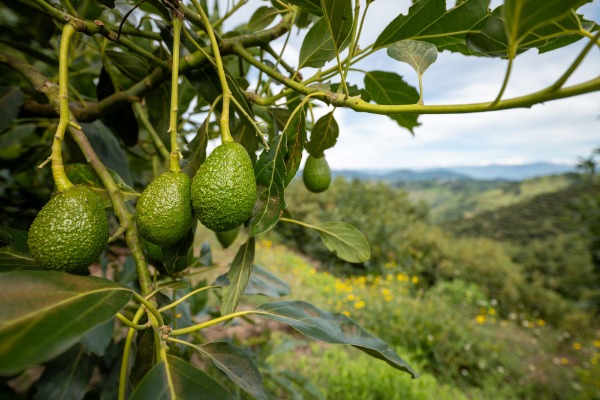
Sustainability continues to establish itself as a key competitive factor for the global avocado industry. As importers, supermarkets and consumers raise their environmental, social and governance (ESG) requirements, international certifications are playing an increasingly important role in accessing higher-value markets.
Against this backdrop, Baika Colombia became the country's first avocado operation to obtain SCS Sustainably Grown certification, a recognition that validates compliance with demanding international standards and marks an unprecedented milestone for Colombian production.
For the company, this achievement represents much more than certification. Sara López, Deputy Operations Manager at Baika Colombia, explained that becoming the country's first operation to receive this recognition demonstrates that avocados can be produced efficiently while protecting the environment, promoting ethical practices and supporting people's well-being. In her view, this progress also paves the way for the Colombian industry to strengthen its competitiveness in the most demanding international markets.
A standard that meets new global market requirements
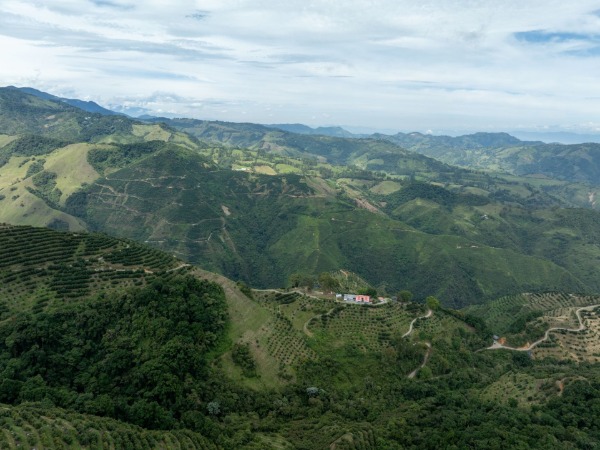
The SCS Sustainably Grown audit assessed key areas including business integrity, sustainable agricultural practices, ethical management, natural resource conservation and environmental performance. For Baika Colombia, certification consolidates work undertaken in recent months to integrate sustainability across all its operations.
“More than obtaining a certificate, it means that the sustainability work we have been doing for several months has been validated by an international organization. It also demonstrates Colombia's ability to produce Hass avocados to the standards now required by the world's most important markets”
The relevance of these certifications extends beyond production. “Consumers today want to know where their food comes from and how it was produced. This certification gives them that confidence because it demonstrates that behind every piece of fruit is a genuine commitment to the environment, to people and to good agricultural practices,” Gallego added.
For López, this translates into trust, transparency and traceability, essential assurances for building long-term commercial relationships in international destinations where sustainability is a decisive purchasing criterion.
The challenge of demonstrating sustainability in the field
One of the main challenges was demonstrating that sustainability is part of the company's everyday work, rather than a one-off preparation for an audit. As a first-of-its-kind certification for Colombia's avocado sector, it required rigorous documentation, training and alignment of internal processes.
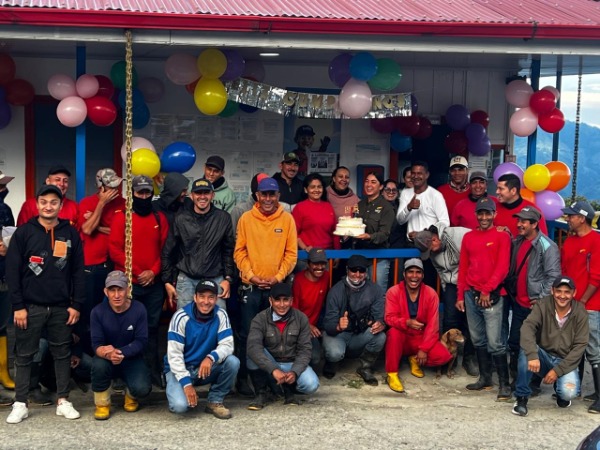
“The main challenge was demonstrating that sustainability is part of our daily work. Every requirement had to be supported by evidence and real results in the field. The most valuable aspect was the commitment of the whole team: from management to operational staff, everyone understood the importance of the process and participated actively”
López agreed that team alignment was decisive, highlighting the knowledge and commitment of field staff and support teams throughout the audit process.
Villablanca farm: carbon sequestration and active conservation
One of the assessment's most notable results was the environmental performance of Villablanca farm, which recorded active sequestration of -888,000 kg of CO₂e.
According to Gallego, this result reflects the priority given to environmental conservation, including:
- 122.64 hectares of protected forest.
- Active protection of water sources and responsible soil management.
- Increasing organic matter and maintaining ground cover to support carbon sequestration.
Next step: extending the standard across the production chain
“Certification is not a finish line, but the beginning of a new stage”
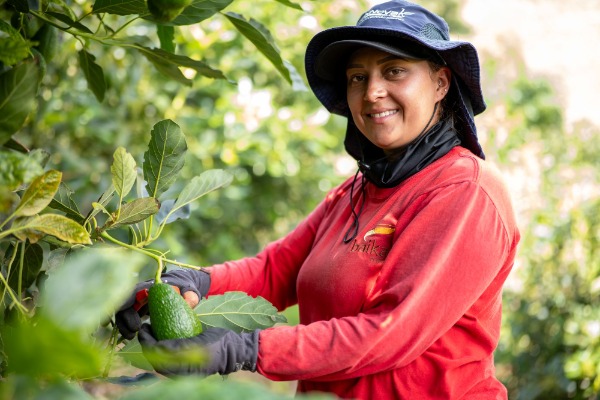
Baika Colombia's strategy aims to extend this standard beyond its own operations and encourage adoption among its grower partners, supporting them through knowledge transfer and tools that make good practices easier to implement.
The company will also continue promoting projects in climate change adaptation, water efficiency, biodiversity conservation and data generation for decision-making, establishing Colombian avocados as a global benchmark not only for quality, but also for their positive impact on the planet.